So, you’re looking at an apartment building and thinking, “This place has potential, but wow, it needs some love.” Or maybe you’re a seasoned investor eyeing a property that’s seen better days. Whatever your situation, the idea of apartment building renovation can feel like a huge undertaking, right? It’s not just about slapping on a fresh coat of paint; it’s about breathing new life into a structure, increasing its value, and making it a more desirable place for people to call home. It can seem daunting, but honestly, with the right approach, it’s one of the most rewarding projects you can tackle in real estate.
Let’s chat about what really goes into transforming an older apartment complex into a modern, attractive living space. We’re going to break down the nitty-gritty, from the initial vision to the final touches, making sure you’re equipped with the knowledge to navigate this exciting journey.
Why Bother with a Big Renovation? The Upside is Huge!
People often ask me, “Is it really worth the hassle and expense?” And my answer is almost always a resounding “yes!” when done strategically. A well-executed apartment building renovation isn’t just cosmetic; it’s a strategic investment that pays dividends in multiple ways.
Boosting Property Value: This is the big one. Modernizing kitchens, bathrooms, and common areas, improving energy efficiency, and upgrading curb appeal directly translates to a higher market value. You’re not just fixing things; you’re building equity.
Attracting and Retaining Tenants: Let’s face it, no one wants to live in a dated, poorly maintained building. Upgrades make your property stand out in a competitive rental market. Happier tenants mean lower vacancy rates and a more stable income stream.
Improving Energy Efficiency: This is a win-win. For tenants, it means lower utility bills. For you, it means lower operating costs and a more sustainable property. Think new windows, better insulation, and efficient HVAC systems.
Addressing Deferred Maintenance: Many older buildings have underlying issues that, if ignored, can become costly emergencies. Renovation is the perfect opportunity to tackle these proactively, saving you headaches and money down the line.
Planning Your Apartment Building Renovation: More Than Just Picking Paint Colors
Before you even think about demo day, a solid plan is crucial. This is where you lay the groundwork for success. Skipping this step is like trying to build a house without blueprints – messy and likely to end in tears!
#### Defining Your Vision and Scope
First, what are you trying to achieve? Are you aiming for a luxury feel, a modern, minimalist aesthetic, or perhaps a more budget-friendly refresh? Your target demographic will heavily influence these decisions.
Market Research: Understand what renters in your area are looking for. What amenities are in demand? What price points are feasible?
Prioritizing Upgrades: You can’t do everything at once, especially if budget is a concern. Focus on areas that offer the biggest return on investment and address the most pressing needs. Common areas, unit interiors (kitchens and baths), and exterior appeal are often top priorities.
Budgeting Realistically: This is where many projects go sideways. Get detailed quotes for materials and labor. Always, always include a contingency fund (15-20%) for unexpected issues. Trust me, they will pop up.
#### Assembling Your Dream Team
You’re not doing this alone! A good team is vital for a smooth renovation process.
Architect/Designer: If you’re doing significant structural changes or aiming for a specific aesthetic, an architect or interior designer can be invaluable.
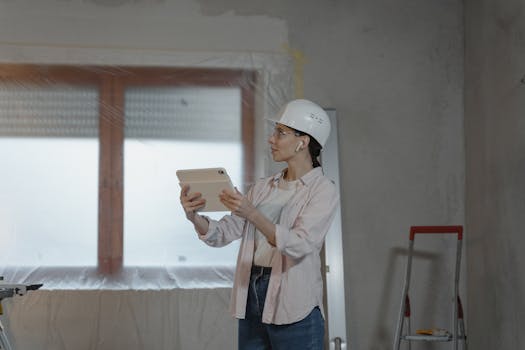
General Contractor (GC): This is your project manager. A reputable GC will handle subcontractors, schedules, and permits. Do your due diligence – check references, look at past projects, and ensure they’re licensed and insured.
Skilled Tradespeople: Plumbers, electricians, carpenters – the backbone of any renovation.
Diving into the Renovation: What to Expect During the Project
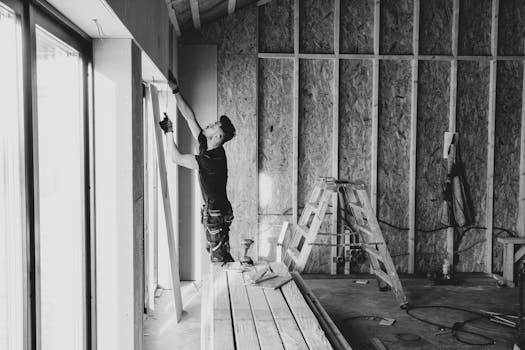
Once the planning is done and your team is in place, the actual apartment building renovation begins. This is the exciting, and sometimes chaotic, phase.
#### Unit-Level Improvements: The Tenant’s Sanctuary
This is where residents will spend most of their time, so it’s crucial to get these right.
Kitchens: Modern cabinetry, durable countertops (quartz and granite are popular), updated appliances, and good lighting can transform a unit. Think about creating functional, inviting spaces.
Bathrooms: Updated vanities, modern fixtures, and perhaps a new tub or shower enclosure can make a big difference. Tile work is key here – it’s durable and can add a touch of luxury.
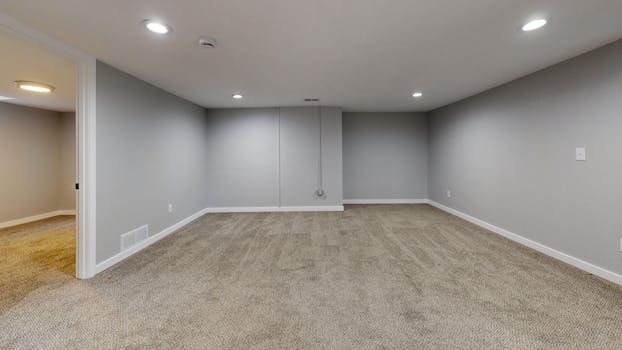
Flooring: Replacing worn-out carpet with durable, attractive flooring like LVP (Luxury Vinyl Plank) or hardwood can elevate the entire unit.
Paint and Finishes: Fresh paint, updated trim, and new hardware on doors and cabinets are relatively low-cost ways to make units feel fresh and updated.
#### Enhancing Common Areas: The Building’s First Impression
The lobby, hallways, and any shared amenities are what visitors and potential tenants see first. Don’t neglect them!
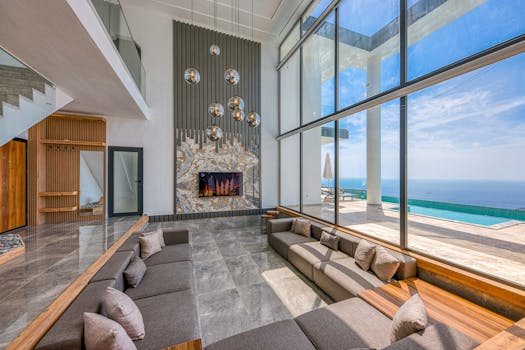
Lobby Makeover: A welcoming lobby sets the tone. Consider updated flooring, lighting, a fresh paint scheme, and perhaps some comfortable seating.
Hallway Upgrades: New paint, updated lighting fixtures, and perhaps even new carpet can make hallways feel safer and more inviting.
Amenities: If your building has a gym, laundry room, or outdoor space, these are prime candidates for renovation. Modernizing them can be a huge draw. A well-equipped, clean gym or a beautifully landscaped courtyard can attract premium tenants.
#### Exterior and Infrastructure: The Foundation of Value
These are the less glamorous but equally important aspects of renovation.
Curb Appeal: Landscaping, updated exterior paint, new lighting, and perhaps even new signage can dramatically improve how the building looks from the street.
Roofing and Siding: If these are in poor condition, addressing them is a priority for structural integrity and energy efficiency.
HVAC and Plumbing: Upgrading older systems can lead to significant savings and fewer maintenance calls. This is where you’re often dealing with critical building infrastructure.
Navigating Challenges and Staying on Track
Renovations rarely go perfectly. Being prepared for common hurdles can save you a lot of stress.
Budget Overruns: As I mentioned, always have a contingency. Unexpected structural issues, material price hikes, or scope creep are common culprits.
Delays: Weather, subcontractor scheduling conflicts, or permit issues can push back timelines. Clear communication with your GC is key.
Tenant Disruption: If the building is occupied, managing tenant expectations and minimizing disruption is paramount. Provide ample notice for noisy work, temporary power outages, or restricted access. I’ve found that offering small concessions, like a temporary discount on rent during particularly disruptive phases, can go a long way.
Wrapping Up: Is Your Building Ready for a Transformation?
Undertaking an apartment building renovation* is a significant endeavor, but the rewards – both financial and in terms of tenant satisfaction – can be immense. It’s about seeing the potential in an aging asset and bringing it into the modern era. From boosting property value to attracting top-tier renters, the benefits are clear.
So, as you look at those older buildings, do you see a tired structure, or do you see the canvas for your next great success story?
About the Author